> Blog
Why Patients Are Looking for More Than Routine Dentistry
As aesthetic dentistry continues to develop, patients may be looking for treatments that go beyond routine dental care, creating opportunities for practices to offer a wider range of services.
Patients are becoming increasingly interested in the appearance of their smiles. Teeth whitening, veneers, composite bonding and other cosmetic treatments are giving people more options to improve their confidence and achieve the results they want.
For dentists, this presents an opportunity to expand their clinical skills and respond to changing patient expectations. As aesthetic dentistry continues to develop, patients may be looking for treatments that go beyond routine dental care, creating opportunities for practices to offer a wider range of services.
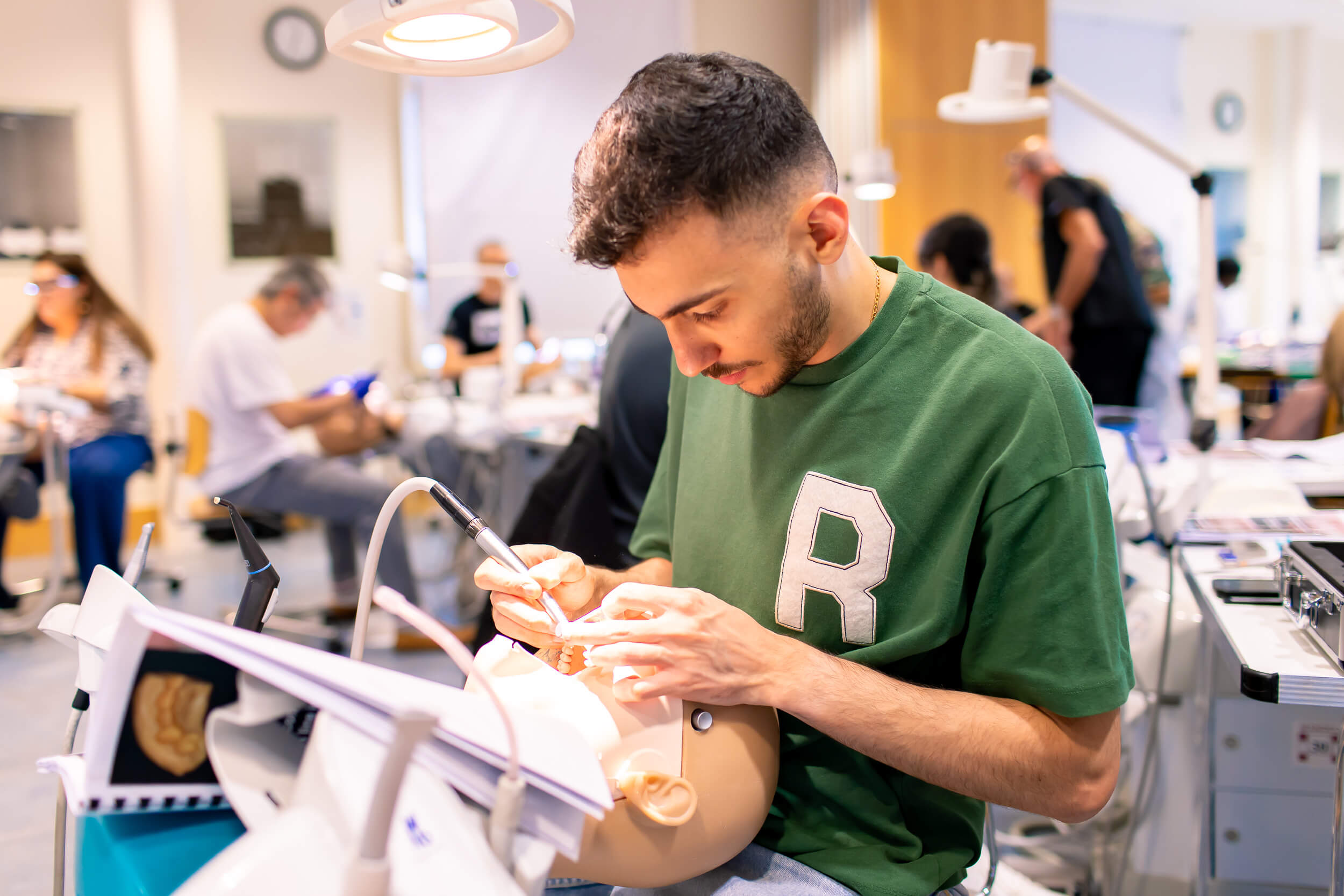
Meeting this demand requires the right knowledge and practical experience. Cosmetic dental courses can help dentists develop the skills needed to deliver aesthetic treatments with confidence, while maintaining a strong focus on patient needs and long-term outcomes.
Changing expectations around aesthetic dentistry
Social media, celebrity smiles and greater awareness of cosmetic treatments have all contributed to growing interest in aesthetic dentistry. Patients may arrive at consultations with a clearer idea of the results they want, having researched treatments and seen examples of what's possible.
Popular treatments include:
Teeth whitening: Helping patients achieve a brighter smile.
Composite bonding: Improving the appearance of teeth using tooth-coloured materials.
Porcelain veneers: Changing the shape, colour or appearance of teeth.
Smile makeovers: Combining treatments to achieve a more comprehensive aesthetic result.
These treatments can offer exciting possibilities, but every patient has different needs and expectations. Dentists need to understand which approaches are suitable for each individual and how to plan treatment that delivers an appropriate, natural-looking result.
Why aesthetic skills matter in general practice
Aesthetic dentistry involves much more than learning how to carry out individual procedures. Achieving consistent results requires an understanding of the planning and practical techniques that underpin successful treatment.
For example, smile design can help dentists assess how the teeth work together visually, while clinical photography provides a useful way to document cases and review treatment progress. Effective communication with dental laboratories is also important when planning treatments such as porcelain veneers.
Postgraduate training can help bring these different skills together, covering areas such as:
Smile design and digital smile design workflows
Veneer preparation and cementation
Advanced composite techniques
Tooth whitening and bleaching
Clinical photography and laboratory communication
Developing these skills can help dentists approach aesthetic cases with greater confidence and make more informed decisions about the treatments they offer.
Taking your aesthetic skills further
For dentists looking to expand their capabilities, postgraduate education offers a structured way to develop both theoretical knowledge and practical experience.
Tipton Training's Certificate in Aesthetic Dentistry is a one-year programme designed for dentists who want to broaden their clinical scope and build confidence in modern aesthetic treatments.
The course combines 50% theory with 50% hands-on practical training across 17 modules. Delivered through face-to-face training days and live online sessions, it covers the techniques and wider clinical considerations involved in contemporary aesthetic dentistry.
Available as both a Level 7 Certificate and a non-Level 7 pathway, the programme allows delegates to build on their existing foundations while continuing to work in practice.
The next cohorts begin in April 2027, with training available in London, Manchester and Glasgow.
Give patients more reasons to choose your practice
As interest in cosmetic treatments grows, continuing professional development can help dentists keep pace with changing expectations and explore new areas of clinical practice.
Investing in aesthetic training can support the development of practical skills and ultimately help you offer a broader range of suitable treatments to your patients.
Explore our Certificate in Aesthetic Dentistry to discover how postgraduate training can help you develop your skills and meet today’s growing demand for modern aesthetic dentistry.