> Blog
Why every restorative dentist should take a dental occlusion course
For dentists searching for dental occlusion courses, the most valuable programmes are those that integrate occlusal principles into everyday restorative practice.
When people think about restorative dentistry, they often focus on the visible outcome. A well-designed crown, a beautifully restored smile, or a complex rehabilitation case completed successfully.
Experienced restorative dentists, however, tend to approach treatment differently. They look beyond the restoration itself and consider how every intervention will function within the wider system. They understand how teeth interact, how forces are distributed, and how small changes can affect long-term outcomes.
This way of thinking is what separates competent restorative dentistry from truly predictable restorative dentistry. At the centre of that mindset is occlusion.
Great restorative dentists think beyond individual teeth
Restorative dentistry rarely involves treating a single tooth in isolation. Every restoration exists within a dynamic environment where teeth, muscles, joints and function are closely connected.
A successful restorative dentist considers questions such as:
How will this restoration affect the patient's occlusion?
Are there existing functional issues contributing to wear or failure?
Will the restoration remain stable over time?
How can treatment support both aesthetics and function?
These considerations influence treatment planning from the very beginning. Understanding occlusion allows clinicians to make decisions with greater confidence and predictability.
Why occlusion should be a foundation, not a special interest
Many dentists encounter occlusion later in their careers and view it as an advanced subject reserved for complex rehabilitation cases.
In reality, occlusion underpins almost every aspect of restorative dentistry.
Whether placing a simple composite restoration, fitting crowns, managing tooth wear or planning full-mouth rehabilitation, clinicians are working within an occlusal system. The better they understand that system, the better equipped they are to diagnose problems, plan treatment and deliver long-lasting results.
A strong understanding of occlusion helps dentists:
Identify the causes of restoration failure
Recognise patterns of tooth wear and functional risk
Improve treatment planning decisions
Reduce unnecessary adjustments and remakes
Deliver more predictable outcomes for patients
These are fundamental principles that support restorative dentistry at every level.
Building clinical confidence through understanding
One of the most significant benefits of studying occlusion is the confidence it brings to clinical decision-making.
Dentists frequently encounter situations where symptoms, wear patterns or restorative challenges do not have obvious solutions. A deeper understanding of occlusal principles provides a framework for analysing these cases and understanding why problems occur.
Rather than relying on trial and error, clinicians can make informed decisions based on biomechanics and long-term stability.
This confidence often extends far beyond restorative treatment to influence diagnosis, communication with patients and the ability to manage increasingly complex cases.
Choosing the right dental occlusion course
For dentists searching for dental occlusion courses, the most valuable programmes are those that integrate occlusal principles into everyday restorative practice.
Learning occlusion in isolation can make it feel theoretical and disconnected from real clinical situations. Understanding how occlusal concepts influence treatment planning through to patient outcomes allows clinicians to apply their knowledge immediately.
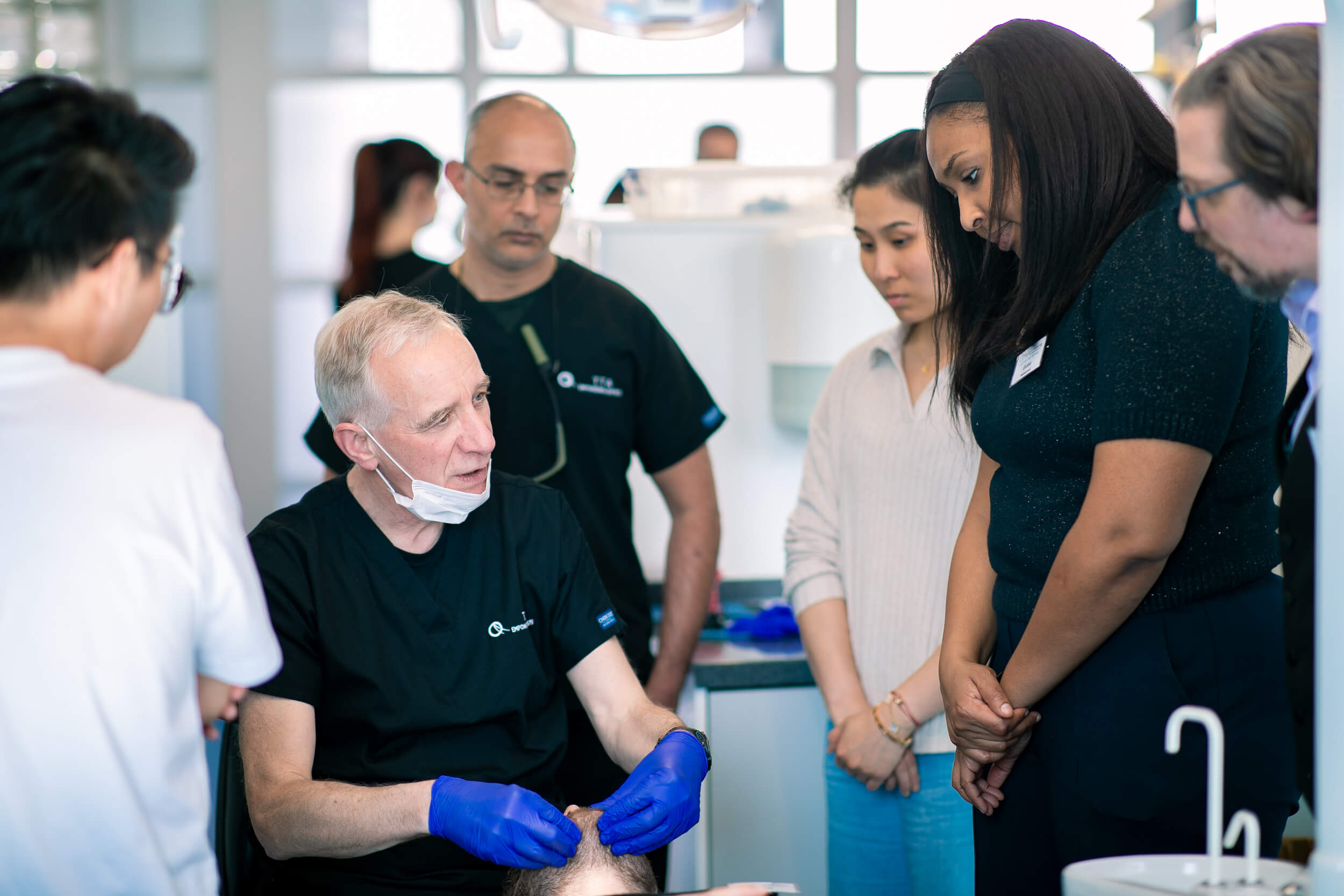
At Tipton Training, occlusion is not taught as a standalone topic or an optional addition to restorative dentistry. It forms a fundamental theme throughout the Certificate in Restorative Dentistry, providing delegates with the knowledge and clinical framework needed to approach restorative treatment with greater confidence and predictability.
By developing a deeper understanding of occlusion from the outset, dentists can strengthen the foundations of their restorative practice and build skills that support every stage of their professional development.
Learn more about our Certificate in Restorative Dentistry here.