> Blog
Burnout in General Practice: How Advanced Restorative Training Can Restore Career Passion
For some dentists, advanced restorative and occlusal education can provide renewed direction in their dental career.
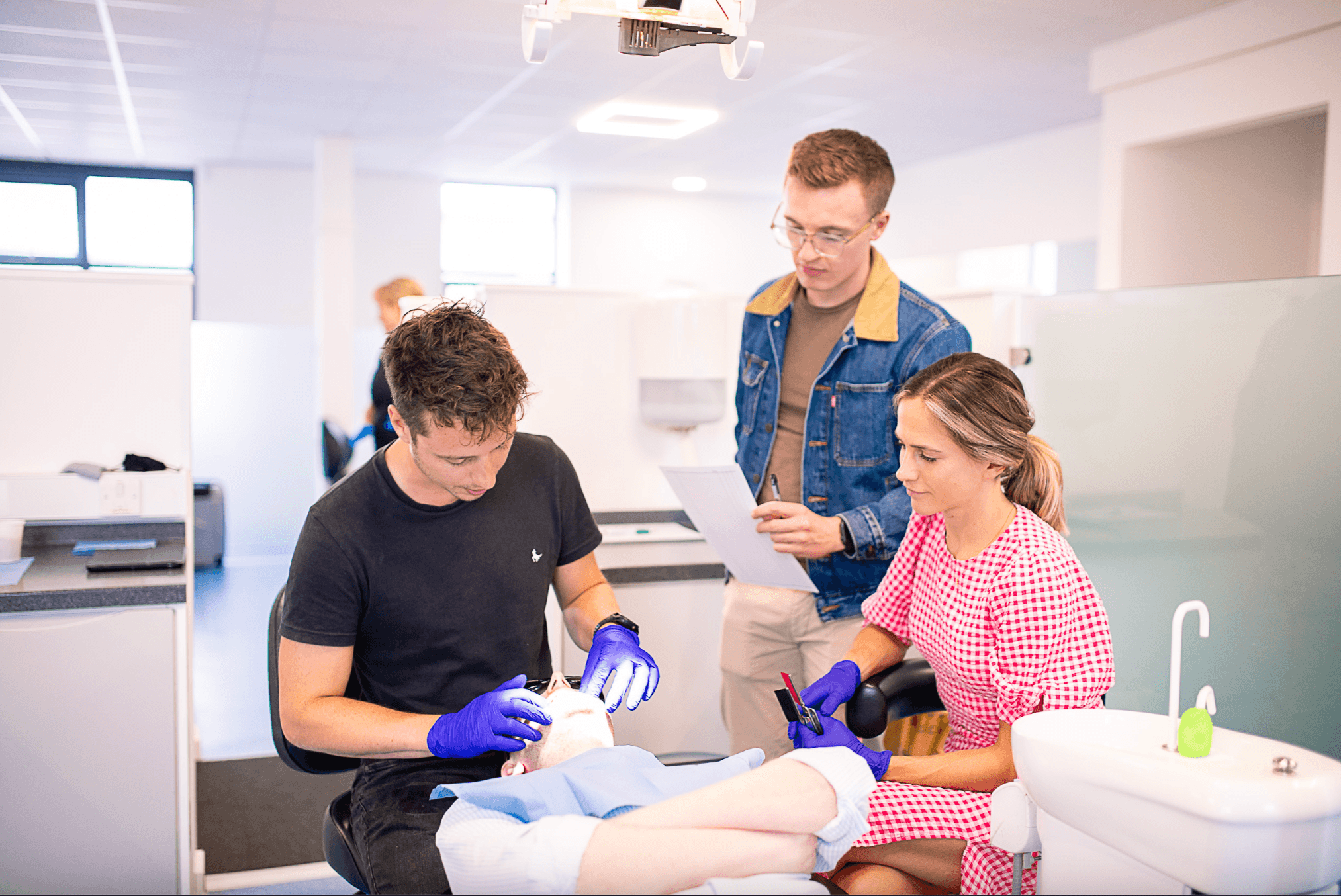
Dentistry can be an immensely rewarding profession. Yet for many general practitioners, the reality of working through a relentless diary of examinations, emergencies and routine ‘drill-and-fill’ treatments can gradually diminish that sense of fulfilment.
Whether working in NHS or private practice, the pressure to maintain a demanding pace often leaves little time for comprehensive diagnosis, considered treatment planning or the complex clinical work that first attracted many dentists to the profession.
Burnout does not always mean wanting to leave dentistry altogether. Sometimes, it presents as a loss of enthusiasm: feeling clinically stagnant, repeating the same procedures and questioning where the next stage of your career will come from.
For some dentists, advanced restorative and occlusal education can provide renewed direction.
Moving beyond routine dentistry
Advanced restorative dentistry encourages clinicians to look beyond the individual tooth. It requires a broader understanding of aesthetics, biology, function and the way the entire occlusal system works together.
Dentists searching for dental occlusion courses are often looking for greater confidence when diagnosing and treating more complex cases. They want to understand why restorations fail, why teeth continue to fracture or wear, and how treatment can be planned more predictably.
Developing this knowledge can create opportunities to undertake more professionally rewarding work, including:
Tooth-wear management
Complex restorative treatment planning
Occlusal assessment and rehabilitation
Advanced aesthetic restorations
Multidisciplinary cases
Full-mouth reconstruction
These cases demand greater clinical judgement, but they can also restore the intellectual challenge and creative satisfaction that routine practice may no longer provide.
Why occlusion can transform clinical confidence
Occlusion influences almost every aspect of restorative dentistry. Every crown, composite restoration, veneer or bridge must function within a dynamic system of teeth, muscles and joints.
Without a clear understanding of that system, even technically excellent dentistry can become unpredictable. Clinicians may feel hesitant when approaching worn dentitions, altering vertical dimension or planning extensive restorative treatment.
Effective dental occlusion courses should therefore do more than teach isolated theories. Occlusion needs to be understood in the context of real restorative decisions, from diagnosis and treatment planning through to execution and long-term maintenance.
At Tipton Training, occlusal education is embedded throughout our restorative dentistry programmes rather than treated as a standalone subject. Delegates develop a structured understanding of functional diagnosis, occlusal stability and the management of increasingly complex cases.
The aim is not simply to know more. It is to make clinical decisions with greater confidence and deliver dentistry that is functional, comfortable and built to last.
Rediscovering professional purpose
Further training cannot remove every pressure associated with general practice, nor should it be presented as a complete solution to burnout. It can, however, restore something that repetitive clinical work may have eroded: a genuine sense of progress.
Learning alongside ambitious peers, receiving guidance from experienced clinicians and applying new principles in practice can be deeply motivating. As competence develops, dentists can begin to approach cases that once felt beyond their reach.
For many Tipton delegates, advanced restorative education represents more than a qualification. It is an opportunity to reconnect with their ambition, deliver more meaningful treatment and rediscover the satisfaction that brought them into dentistry.
Explore Tipton Training’s restorative dentistry programmes to discover how integrated occlusal education could support the next stage of your clinical career.